What Happens if I Put Aluminum Foil Under My Laptop?
Have you ever considered the welter of aluminum foil beneath your laptop, the electrified ambers flying around as it works its art? The foil could act as a heat sink for many people; others believe that it functions electrically by interfering with the laptop’s operations. But what really happens when you put aluminum foil under your laptop? Read this article to discover the possible effects, benefits, and disadvantages of putting aluminum foil under a laptop, thereby allowing you to make an informed decision.
Meta Description: Ever wondered whether placing aluminum foil under a laptop would help it cool, work faster, or -possibly- even bring symptoms with it? Read this crazy article before trying!
Can Aluminum Foil Help With Laptop Cooling?
Overheating is a widespread reason people are led to place aluminum foil underneath their laptop. After all, aluminum dissipates heat rather efficiently, so in theory, it should facilitate heat dissipation from the device. Nevertheless, the following aspects must be considered:
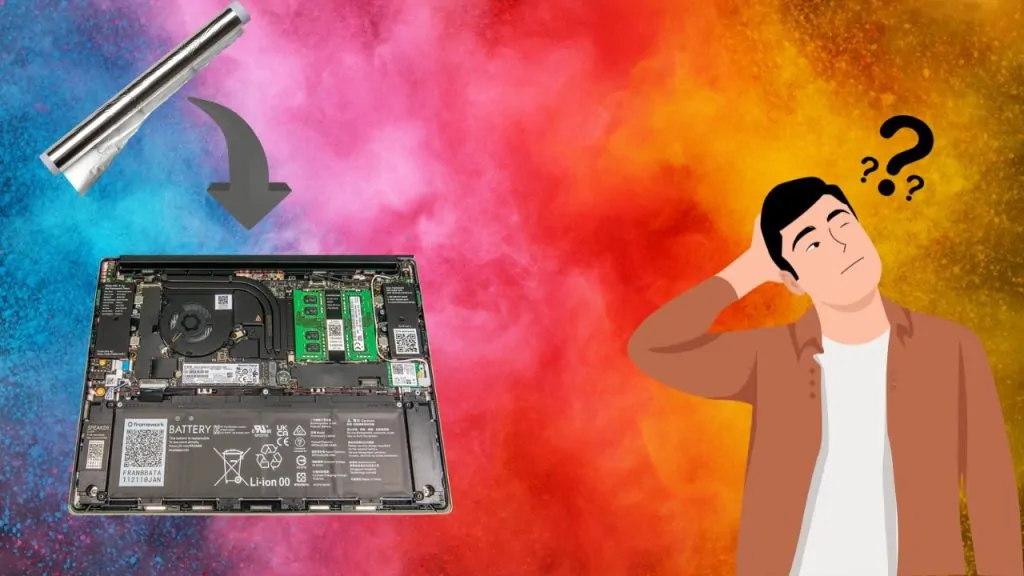
How Heat Dissipation Works
- Heat inside laptops is dissipated through fans and heat sink systems.
- While aluminum foil conducts heat, it cannot do so unless there is airflow.
- When placed on the surface, the foil may trap heat instead of displacing it.
What Happens If Heat Builds Up?
If used improperly, aluminum foil can be counterproductive. The excessive heat caused by foil heat conduction can bring about:
- Sluggish performance as the CPU throttles to protect from damage.
- Degradation of batteries, leading to a significantly reduced lifespan.
- Permanent damage to hardware if high temperatures are maintained over a period of time.
Best Practices for Cooling
If you look at alternative solutions, these techniques are much better than setting aluminum foil under a laptop:
- Use a cooling pad that has fans for low-speed airflow.
- Use a flat, hard surface to keep air vents unblocked.
- Cleaning dust from laptop fans is recommended.
- Change out the thermal grease periodically to ensure good heat transfer from the processor.
Can Aluminum Foil Block Wi-Fi Signals?
For some users, experimenting with aluminum foil was the key to boosting Wi-Fi reception or blocking signals. Here’s how it may impact your connection:
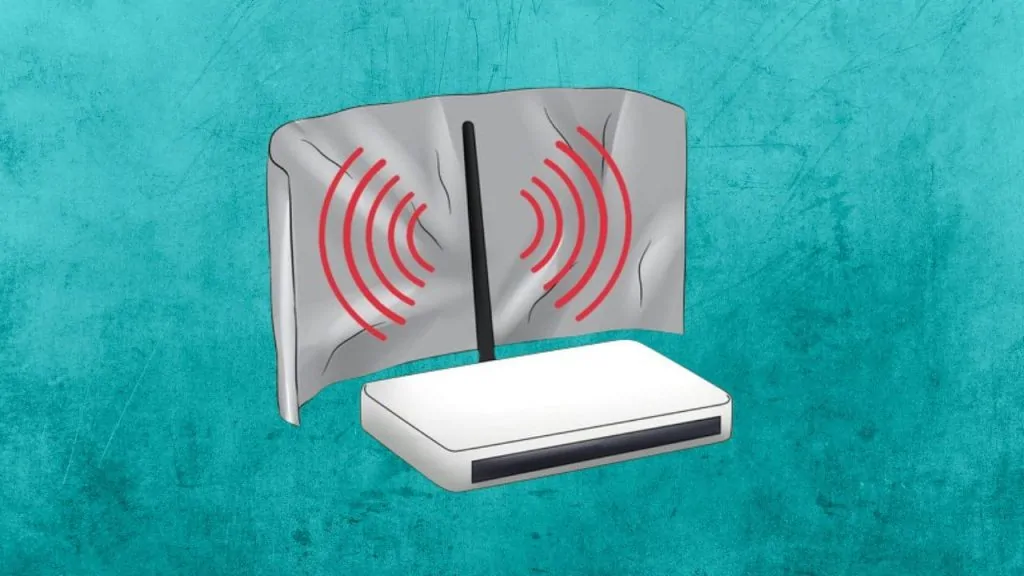
Interference With Wi-Fi
- Aluminum reflects the radio waves and hence can amplify/de-amplify the signals.
- If one places foil under the laptop, it might also impede wireless connectivity, especially if the card is toward the back or bottom.
- Wrapping foil around a router’s antenna may sometimes help redirect the signals in a specific direction, but this will not work with laptops.
How to Improve Wi-Fi Without Aluminum Foil
If you have trouble receiving signals, you may want to consider the following as an alternative:
- Expand your Wi-Fi signal using a Wi-Fi extender.
- Move the router to reduce interference.
- Update your Wi-Fi drivers for better connectivity.
- Avoid physical obstructions between your laptop and the router.
Can Aluminum Foil Protect Against Radiation?
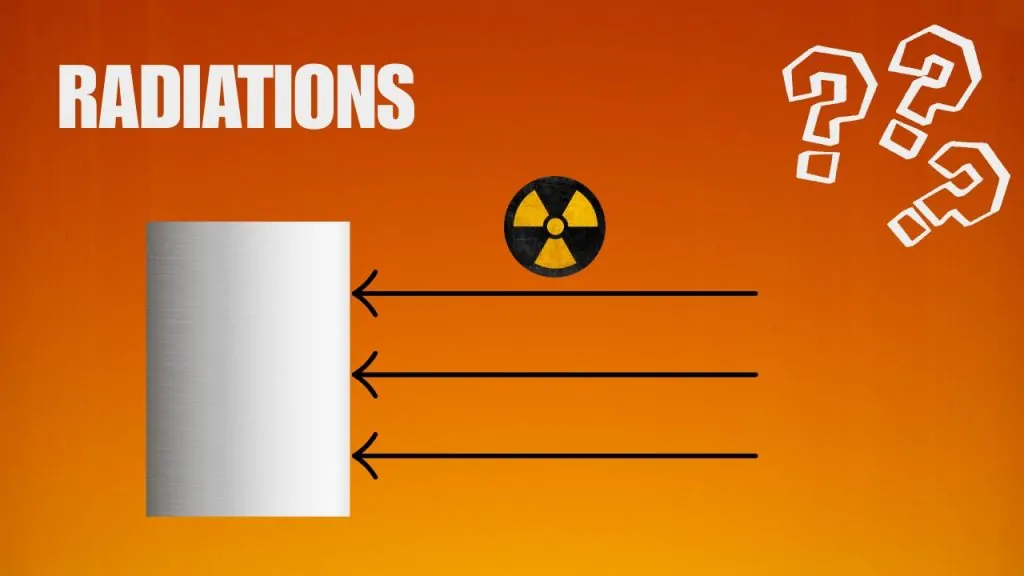
It seems there are certain myths that say aluminum foils can block electromagnetic radiations and prevent using laptops. The fact is,
EMF Protection Facts
- Laptops don’t actually emit that severe radiation; rather it is very minimal, mostly from Wi-Fi and other internal components.
- Aluminum foils would reduce some of the EMF, but they wouldn’t be effective if placed below the laptop.
- Much more effective way is to use EMF blocking pads for laptops.
- Turn down the brightness of the screen and disable Bluetooth to cut back on EMF.
Alternative Ways to Reduce EMF Exposure
- By using laptop stand you will be able to distance yourself from the computer.
- Activate airplane mode when not using Wi-Fi.
- These could also range from getting EMF-blocking technology like laptop shields.
Potential Risks of Using Aluminum Foil Under a Laptop
1. Overheating Issues
The foil placed beneath a laptop may trap heat within it which might increase temperature levels posing an internal threat to hardware.
2. Short Circuits
This would happen if any foil comes into direct touch with electrical components, which include ports or connections.
3. Signal Disruption
Aluminum has reflective properties, it may hamper the connectivity of Wi-Fi or Bluetooth.
4. Fire Hazard
In extremely rare cases, too much buildup of heat could increase the chances of causing damage to components inside and may even result in a fire hazard.
5. Battery Damage
Heavy heating would deteriorate lithium-ion batteries faster, and aluminum foil traps heat to further shorten the battery lifespan by preventing excess heat from escaping.
Pros and Cons of Using Aluminum Foil Under a Laptop
| Pros | Cons |
|---|---|
| May slightly help with heat dissipation (if used correctly) | Can trap heat, worsening overheating issues |
| Could redirect Wi-Fi signals (though unpredictable) | May block Wi-Fi or Bluetooth connectivity |
| Might provide minor EMF shielding | Risk of short circuits and fire hazards |
| Inexpensive material | Not a reliable or recommended solution |
Comparison Table: Aluminum Foil vs. Other Cooling Methods
| Cooling Method | Effectiveness | Risk Level | Cost |
| Aluminum Foil | Low | High | Low |
| Cooling Pad | High | Low | Moderate |
| Laptop Stand | Medium | Low | Moderate |
| Thermal Paste | High | Low | Low |
| Proper Ventilation | High | None | Free |
Alternative Cooling Solutions
Consider using these methods that are safer and more effective than using aluminum foil:
- Laptop cooling pads with built-in fans.
- Elevating the laptop using a stand to improve airflow.
- Using thermal pads or cooling gel mats.
- Applying new thermal paste to the CPU for better heat management.
- Regular fan maintenance to prevent dust buildup.
- Using an external cooling fan to provide additional airflow.
FAQs
1. Will aluminum foil under my laptop make it run faster?
No, aluminum foil doesn’t really improve any parts of the laptop system. It might just lead to overheating or cause interference of signals.
2. Can aluminum foil damage my laptop?
Yes, if it hinders the circulation of air and touches some electronic components, it may cause overheating or short circuits in your laptop.
3. Can aluminum foil block laptop radiation?
Aluminum foil does block some EMF, but it’s not a very good protection against laptop radiation at all.
4. Does aluminum foil help with laptop cooling?
It won’t be very effective. Instead, it can sometimes trap heat.
5. What’s the best way to keep my laptop cool?
A cooling pad, having unobstructed air vents, and a clean fan should avoid overheating.
6. Can aluminum foil redirect Wi-Fi signals?
In some cases, aluminum foil can redirect Wi-Fi signals; however, while putting it under a laptop most probably does not improve connectivity.
7. Is there any benefit to using aluminum foil under a laptop?
There are no benefits to the above mentioned. Most of the times it adds more damage than good.
Conclusion
Aluminum foil is one very useful material, but placing it under your laptop is not a very good idea. Besides, all that can lead to overheating, problems with connectivity, and potential safety hazards. Use the right equipment when you want to cool down your laptop, like stands, cooling pads, and good ventilation keeping your laptop in good working order. If EMF radiation bothers you, buy specialized accessories that block EMF instead of relying on aluminum foil. Wise decisions on cooling and performance regarding laptops will result in prolonged use and effectiveness of the devices.

![Snapchat Planets: How Does Friend Solar System Work? [2025]](https://techsroid.com/wp-content/webp-express/webp-images/uploads/2025/05/Untitled-design-5-768x432.jpg.webp)
![Cyber Background Checks: Unveiling Digital Truths for Safety [2025]](https://techsroid.com/wp-content/webp-express/webp-images/uploads/2025/05/ChatGPT-Image-May-28-2025-11_10_40-PM-768x768.jpg.webp)